Photo by Vlada Karpovich on Pexels — source Standing in the hallway, I glance at the pile of work clothes draped over the chair, a reminder that my weekday routine is slipping. The lunch container, still sitting in the sink, is another sign of my morning chaos. As I reach for my bag to reset it for tomorrow, I realize I’ve skipped a crucial step: laying out my clothes the night before. Instead, I’m left scrambling each morning, which leads to this frustrating cycle where I end up wearing yesterday's outfit longer than intended. This setup relies too much on motivation, and when that wanes, so does my routine. The keys and notebook sit on the table, waiting for me to decide if I’ll pack them tonight or risk forgetting them in the morning rush. Each small oversight, like not preparing my clothes or neglecting to pack my lunch container, creates a ripple effect that complicates my day. Understanding how these tiny missteps can mirror the storytelling in movies reveals the layers of c...
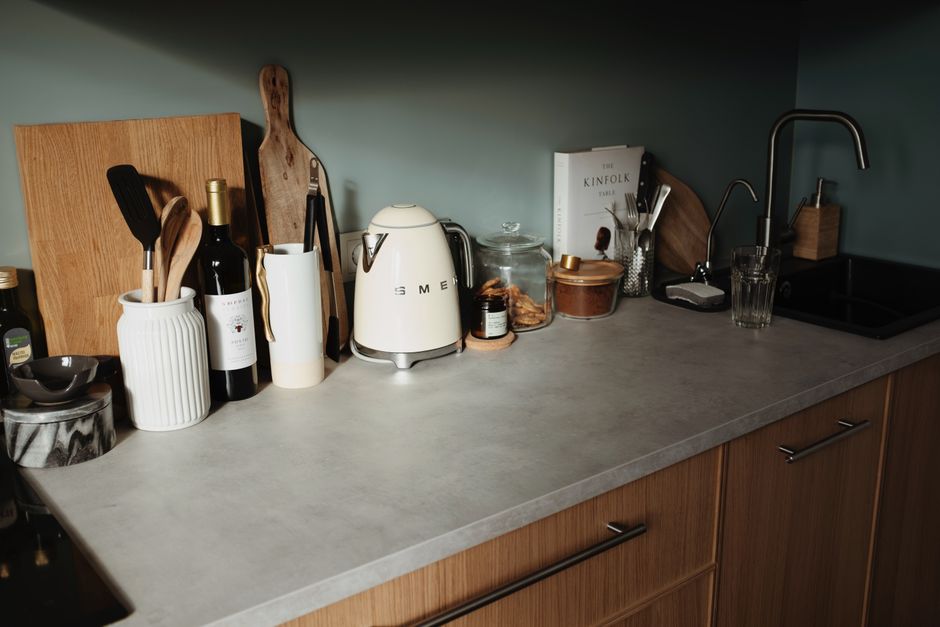
As the clock ticks past 8 PM, the remote worker stands in the kitchen, staring at a pile of dirty dishes that seem to multiply by the minute. The lunch container, still soaking in the sink, serves as a glaring reminder of the day’s chaos. With the counter cluttered and the evening routine already off to a rocky start, the intention to unwind with a movie feels like a distant dream. The bedside table, usually a sanctuary for books and notebooks filled with thoughts on storytelling, now holds only a few crumpled notes and a half-empty glass of water.
Each time the worker glances at the screen, the allure of engaging with cinematic narratives fades, overshadowed by the pressing need to tackle the mess. The simple act of packing a bag for the next day, meant to be a calming ritual, becomes an afterthought lost in the shuffle. Without a clear space to reset, the evening routine morphs into a frantic scramble, leaving little room for the reflective engagement with movies that was once anticipated. The connection between daily life and the desire to immerse in storytelling feels strained, as the clutter of the day lingers, blocking the path to that much-needed cinematic escape.
The Evening Routine Already in Motion
At the end of a long workday, the remote worker stands in the kitchen, eyeing the sink piled high with dirty dishes, including the lunch container that never made it back to the cabinet. The counter is cluttered with remnants of hastily prepared meals, and the thought of unwinding with a movie feels increasingly unrealistic. The dim light from the living room screen flickers, inviting but overshadowed by the chaos surrounding them. With each glance at the mess, the desire to dive into a cinematic world fades, replaced by the urgent need to restore order.
As the clock ticks toward evening, the worker grabs the backpack from the floor, intending to pack for the next day. They pause, realizing that without clearing the counter first, the act of packing will feel incomplete. The first step should be to put away the lunch container, but the clutter seems to mock their intentions. They take a deep breath, set the bag aside, and start washing the dishes instead. Each plate that gets scrubbed brings a small sense of accomplishment, but the lingering mess continues to block the path to that anticipated movie night. The evening routine, meant to be a reset, instead morphs into a chaotic scramble, leaving little room for the storytelling they crave.
The First Step That Gets Skipped
A slightly different version of this problem appears in Everyday Life In The, where the sequence changes but the hidden drag feels familiar.
The evening routine is meant to be a reset, but a glance at the cluttered kitchen sink reveals how quickly intentions can derail. The lunch container, still sitting in the sink, is a glaring reminder of unfinished tasks. As the remote control for the movie lies buried under a pile of mail and snack wrappers on the counter, frustration builds. The worker knows that before they can settle in for a cinematic escape, they need to clear the space. Yet, the mess creates a barrier, making it hard to find the remote, let alone focus on the film.
With the clock ticking, the worker grabs the backpack, intending to pack for the next day. However, they pause, realizing that without tackling the dishes first, the act of packing feels half-hearted. They set the bag down, take a deep breath, and head to the sink. The first step is to wash the lunch container, which is now a symbol of the chaotic day. Each scrubbed plate and rinsed cup brings a small sense of accomplishment, but the clutter still looms large. The act of cleaning becomes a necessary precursor to the storytelling they crave.
As the dishes pile up, the worker feels the weight of the day’s mess pressing on their mind. They know that the longer they delay, the less likely they are to enjoy the movie. The immediate consequence of this missed check is clear: the evening slips away, and the chance to unwind with a good film diminishes. If the counter had been cleared earlier, perhaps the transition to movie time would have felt smoother. Instead, they are left with a chaotic environment that saps the joy from the very storytelling they wish to engage with.
Friction Points in Daily Life
If this pattern keeps repeating, Daily Routines Real Life extends the idea without leaving the niche.
As the remote worker prepares to unwind with a movie, the clutter on the counter becomes a glaring reminder of the day’s chaos. The dirty dishes, including the lunch container still soaking in the sink, create a barrier to the evening reset they desperately need. This visual distraction pulls focus away from the storytelling they crave.
- Late preparation often leads to a messy environment; the worker’s intention to relax is thwarted by the sight of unwashed plates piled high, taking up valuable counter space.
- The mental load from an unfinished day weighs heavily, making it difficult to engage with the film. The clutter serves as a constant reminder of tasks left undone, pulling their attention back to the chaos instead of allowing them to immerse in the narrative.
- One hidden step is the act of clearing the counter before settling down. If the worker had taken just five minutes earlier in the evening to wash the dishes, the transition to movie time would have felt seamless, allowing for a clearer mind.
Good intentions alone are not enough to bridge the gap between a busy day and the desire for storytelling. The act of cleaning becomes a necessary precursor to enjoyment, yet the worker finds themselves stuck in a cycle where the evening slips away, and the chance to engage with a good film diminishes. The clutter on the counter, a simple yet significant friction point, serves as a barrier to the very storytelling they wish to embrace.
A Better Order for the Evening Reset
The clutter on the kitchen counter, piled high with dirty dishes, looms large as the evening draws near. This mess not only disrupts the space but also the mind. After a long day of remote work, the desire to unwind with a movie is overshadowed by the nagging thought of unfinished chores. The lunch container, still in the sink, becomes a symbol of the day’s chaos, making it hard to shift gears into relaxation mode.
To create a smoother transition into movie time, consider placing the lunch container on the bedside table as a visual reminder for the next morning. This small adjustment helps clear the mental clutter, signaling that preparation for the next day begins now, rather than in the morning rush. Additionally, drafting a simple checklist for the evening routine can streamline the process. Include tasks like "wash dishes," "pack the bag," and "set out clothes for tomorrow." This way, instead of feeling overwhelmed by the mess, the worker can tick off items as they go, turning a chaotic reset into a structured one.
One effective sequence change is to tackle the dishes first, before settling down to watch the movie. By taking just ten minutes to wash the dishes, the worker can transform the kitchen into a welcoming space, allowing for a clearer mind when it’s time to engage with the film. The act of cleaning becomes not just a chore but a necessary step to reclaim the evening. Without this adjustment, the clutter remains a barrier, and the chance to enjoy storytelling slips away, leaving behind only the remnants of a messy day.
What Gets Easier in the Next Time Block
As the evening drags on and the clutter of the day lingers, the bedside table becomes a crucial checkpoint. A half-opened book lies next to a dimly lit lamp, while a phone buzzes with notifications from the day’s work. This moment, right before the evening reset, can feel overwhelming, especially when dirty dishes fill the sink, making the kitchen counter unusable. The temptation is to collapse onto the bed and scroll through streaming options instead of engaging with a movie, which is meant to be a treat.
Taking just a few minutes to pack the bag for the next day can shift the evening’s momentum. Place the lunch container next to the sink, right where it will be seen, so it’s impossible to overlook during the cleanup. This small action not only preps for tomorrow but also creates a visual reminder that encourages a quick dishwashing session. By tackling the dishes first, the worker can clear the counter, transforming it from a chaotic space into a welcoming one. This simple adjustment makes it easier to focus on the storytelling experience later, rather than feeling distracted by the mess.
Next time, when the dishes are washed and the bag is packed, the transition into the evening routine will feel smoother. The satisfaction of a tidy kitchen can enhance the enjoyment of the movie, allowing for a deeper engagement with the storytelling. Without the clutter, the worker can reclaim their evening, making it not just a reset but a rewarding part of the day.
As the evening winds down, the clutter on the kitchen counter can feel overwhelming, especially after a long day of remote work. The lunch container left in the sink is a small but telling detail; it signifies the chaos that can seep into the evening routine. By simply placing that container next to the sink, it becomes a visual cue, reminding the worker to take a moment for cleanup before diving into movie time. This act of clearing the space not only prepares for a smoother morning but also sets the stage for a more immersive storytelling experience later.
Next time, focus on the immediate environment: tackle the dirty dishes first. A clean counter transforms the atmosphere, allowing for a more enjoyable engagement with the movie. This little reset creates a bridge from the day's mess to the evening's storytelling, ensuring that good intentions around understanding storytelling in movies don’t get lost in the weekday routine.
