Photo by Vlada Karpovich on Pexels — source Standing in the hallway, I glance at the pile of work clothes draped over the chair, a reminder that my weekday routine is slipping. The lunch container, still sitting in the sink, is another sign of my morning chaos. As I reach for my bag to reset it for tomorrow, I realize I’ve skipped a crucial step: laying out my clothes the night before. Instead, I’m left scrambling each morning, which leads to this frustrating cycle where I end up wearing yesterday's outfit longer than intended. This setup relies too much on motivation, and when that wanes, so does my routine. The keys and notebook sit on the table, waiting for me to decide if I’ll pack them tonight or risk forgetting them in the morning rush. Each small oversight, like not preparing my clothes or neglecting to pack my lunch container, creates a ripple effect that complicates my day. Understanding how these tiny missteps can mirror the storytelling in movies reveals the layers of c...
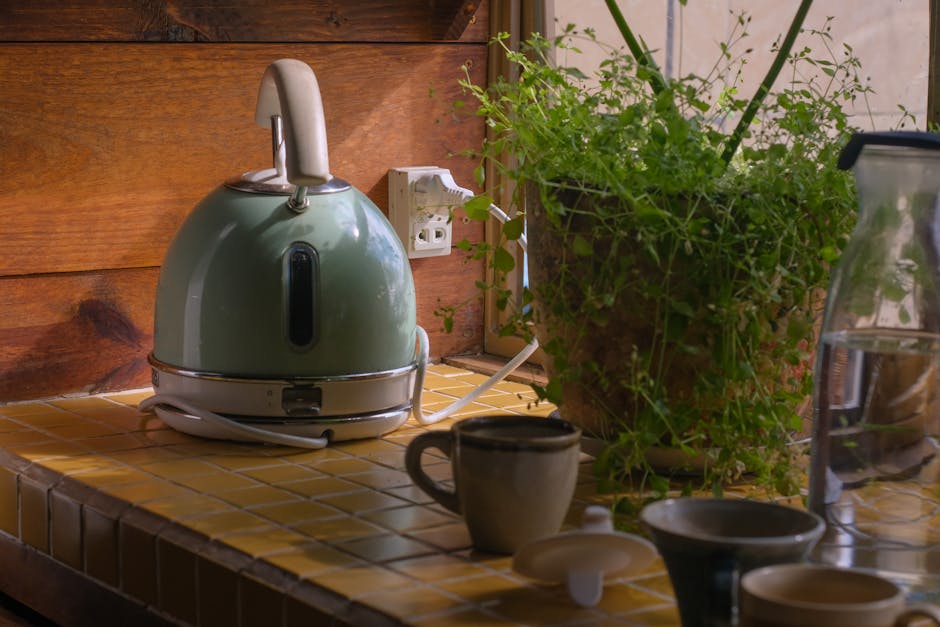
As the alarm blares from across the room, the struggle to rise and begin the day becomes all too real. The hallway drop zone is cluttered with yesterday's dirty dishes, making the kitchen counter feel less like a space for breakfast and more like a barrier to a smooth morning routine. With the clock ticking, the temptation to skip a proper meal looms large, and the thought of grabbing a quick snack instead of a balanced breakfast becomes increasingly appealing. This hurried pace sets the tone for the day, where understanding storytelling in movies often takes a backseat to the chaos of a rushed morning.
In the midst of this frantic energy, small details slip through the cracks. The umbrella, meant to be moved to the door for easy access, remains in the corner by the shoe rack, forgotten until the last minute. This missed step not only complicates the exit but also reflects a larger issue: when the morning routine is disorganized, it disrupts the mental clarity needed to engage with storytelling later in the day. Without a moment to reset and prepare, the ability to appreciate the nuances of character arcs and plot twists in films becomes overshadowed by the lingering stress of the morning's friction.
The First Step That Gets Skipped
Morning routines often begin with the best intentions, but the reality can quickly devolve into chaos. The alarm, set with resolve the night before, sits across the room, leading to a predictable pattern of snoozing. Each press of the button pushes back the moment of getting up, while the mind drifts back into sleep. Meanwhile, dirty dishes pile up in the sink, making the counter a no-go zone for breakfast prep. The thought of a quick meal fades as time slips away, and the chance for a proper morning reset diminishes.
As the clock ticks, the hallway drop zone becomes a cluttered reminder of missed opportunities. The umbrella, intended to be moved near the door for easy access, remains in the corner, a silent witness to the disorganization. This oversight not only complicates the exit but also underscores a larger issue: without a clear space to prepare breakfast, the opportunity to engage with storytelling in movies later in the day is compromised. A simple adjustment, like placing a bowl and spoon out the night before, could streamline the morning process, ensuring that breakfast doesn't become an afterthought. This small act could transform the chaotic start into a moment of clarity, setting the stage for deeper appreciation of narrative structures later on. Unseen Steps in Your Routine The night before, the kitchen counter should be a clear canvas for breakfast prep, yet dirty dishes pile up, blocking the way. This clutter not only steals precious time but also shifts focus away from the morning reset, which is essential for engaging with storytelling later in the day. When the alarm rings, the first task should be to navigate around the mess, making it harder to transition into a mindset ready for understanding narrative structures.
Setting out breakfast items, like a bowl and spoon, can significantly streamline the morning process. If these are placed out the night before, they serve as a visual cue that breakfast is a priority. Similarly, preparing the coffee maker in advance—filling the reservoir and setting the timer—can shave off crucial minutes in the morning. This small act not only ensures that the coffee brews while you get dressed but also creates a sensory reminder of the day’s storytelling potential.
One often overlooked step is checking the pantry for essential items, like oats or cereal, which can easily be forgotten in the hustle. If you skip this, you might find yourself scrambling for alternatives, wasting time and energy that could be better spent on preparing for the day ahead. The simple act of placing a note on the fridge as a reminder can keep your focus sharp, ensuring that your morning routine flows smoothly, setting you up for a day of deeper understanding of the films you plan to watch.
A Morning Bottleneck: The Case of the Dirty Dishes
As the clock ticks closer to departure time, the cluttered kitchen counter becomes a glaring reminder of yesterday's neglect. A pile of dirty dishes sits in the sink, taking up valuable space and making it virtually impossible to prepare breakfast efficiently. Instead of reaching for the cereal or eggs, the instinct is to tackle the mess first. This can easily consume ten minutes that could have been spent reviewing notes on storytelling themes or character arcs from last night’s film.
When the counter is unavailable, the morning routine clogs up right at the breakfast triage. The decision to clean the dishes instead of preparing a quick meal leads to a frantic scramble, often resulting in a hasty grab of whatever is closest—usually a granola bar instead of a nourishing breakfast. To alleviate this bottleneck, place a dish rack in the hallway drop zone for drying clean dishes, ensuring they’re out of the way and ready for use. This simple adjustment not only clears the counter but also allows for a smoother transition into the next task, like brewing coffee or packing a lunch. A quick glance at the now-clear counter can serve as a visual cue, reminding you that a daily reset is possible, even amidst the chaos of a busy morning.
Streamlining Your Sequence: A Better Order for the Same Five Minutes
When the morning rush hits, a few misplaced items can derail your entire routine. If the alarm is too far to reach, the temptation to hit snooze can lead to a scramble. Instead, place the alarm on your bedside table, ensuring it’s within arm’s reach. This small adjustment can save precious minutes, allowing you to start your day with intention rather than chaos.
- Set out breakfast ingredients the night before, like oats and fruit, to avoid last-minute decisions.
- After silencing the alarm, immediately head to the kitchen to start brewing coffee.
- Prepare your breakfast while the coffee brews, combining ingredients efficiently.
By laying out your breakfast items the night before, you eliminate the guesswork and streamline your morning. Once you’ve brewed your coffee, you can assemble your meal with minimal fuss. This revised order not only clears the counter but also creates a smoother transition into your next task, enhancing your understanding of storytelling themes while you eat. The umbrella, often left at the door, becomes a reminder to keep your space organized and ready for a productive day ahead.
A Quick Check That Prevents More Drift
A slightly different version of this problem appears in Everyday Life In The, where the sequence changes but the hidden drag feels familiar.
Before heading out the door, take a moment to check the counter for dirty dishes. If the sink is overflowing, it can create a visual barrier that disrupts your morning flow. This clutter not only makes breakfast prep feel overwhelming but also steals your attention from more engaging tasks, like considering the narrative arcs in the movies you plan to watch later.
To streamline your breakfast routine, place a clean bowl and spoon directly next to the coffee maker the night before. This small act serves as a visual cue, prompting you to prepare your meal as soon as the coffee finishes brewing. By prioritizing this step, you eliminate the need to search for these items in the morning, allowing you to focus on the flavors and themes of your meal while mentally resetting for the day. A quick glance at your organized space can reinforce the importance of clarity in both your morning routine and your understanding of storytelling in movies.
What Runs More Smoothly After That
If this pattern keeps repeating, Daily Routines Real Life extends the idea without leaving the niche.
When the coffee maker hums to life each morning, the immediate chaos of dirty dishes is no longer the first thing to greet you. Instead, a clear countertop invites you to engage with your breakfast routine. By placing a clean bowl and spoon next to the coffee maker the night before, you create a seamless transition from brewing coffee to preparing your meal. This small adjustment means you can pour cereal or whip up a quick smoothie without the distraction of clutter.
As you move through your morning, the absence of that visual barrier allows your thoughts to drift toward the movies you plan to watch later. You might find yourself considering the character arcs or thematic elements of the films, rather than feeling rushed or overwhelmed. The key is to establish a consistent sequence: brew coffee, prepare breakfast, and then take a moment to reflect on your daily reset. With everything in its place, you can even take a quick glance at your hallway drop zone to ensure your umbrella is ready by the door, eliminating another small source of friction.
This streamlined approach transforms your weekday routine, making mornings feel less like a race against time and more like a thoughtful preparation for the day ahead. Each small change builds a foundation for understanding storytelling in movies, as both require a clear mind and an organized space to flourish.
As you navigate your morning routine, remember that small adjustments can significantly impact your ability to engage with storytelling later in the day. If dirty dishes clutter the counter, they not only hinder your breakfast preparation but also create a mental block. By simply rinsing your dishes the night before, you free up space for a smoother morning flow, allowing you to focus on the movies you plan to explore.
Next time you set your alarm, place it across the room. This simple action forces you to get out of bed and into your morning routine. As you move through these tasks, check that your umbrella is positioned by the door. This small act of preparation eliminates a potential delay, reinforcing the habit of being ready for the day ahead. By creating a morning routine that minimizes friction, you set the stage for deeper understanding of storytelling in movies, transforming your weekday experience.
