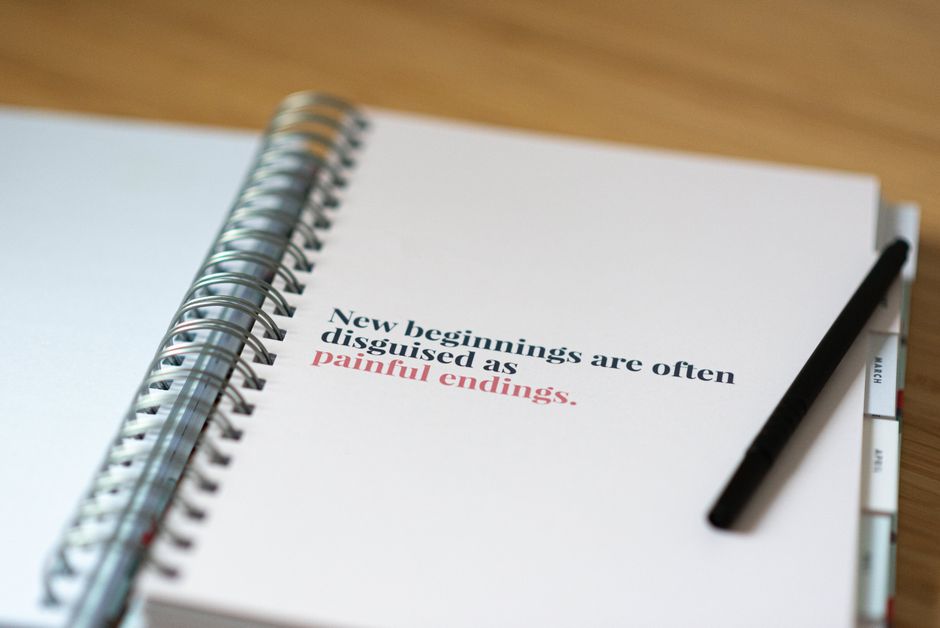
Photo by Matheus Bertelli on Pexels — source It's early evening, and the light from the bedside lamp casts a soft glow on the cluttered table. A remote worker, just back from a long day, stands by the door, ready to reset the bag filled with work essentials. The planner lies closed, untouched, while keys jingle softly as they are tossed onto the surface. The routine seems straightforward—pack the bag for tomorrow, set the alarm across the room, and lay out clothes for the morning. Yet, the work clothes still cling to the body longer than intended, a reminder of the day that lingers. This moment of preparation often slips into chaos. As the worker moves to grab the notebook, a glance at the clock reveals how late it’s getting. The alarm, meant to signal a fresh start, remains an afterthought, and the clothes that should be laid out for the next day are still buried in the closet. Each missed step in this simple evening reset creates friction, pulling focus away from the storytellin...

It's early evening, and the light from the bedside lamp casts a soft glow on the cluttered table. A remote worker, just back from a long day, stands by the door, ready to reset the bag filled with work essentials. The planner lies closed, untouched, while keys jingle softly as they are tossed onto the surface. The routine seems straightforward—pack the bag for tomorrow, set the alarm across the room, and lay out clothes for the morning. Yet, the work clothes still cling to the body longer than intended, a reminder of the day that lingers.
This moment of preparation often slips into chaos. As the worker moves to grab the notebook, a glance at the clock reveals how late it’s getting. The alarm, meant to signal a fresh start, remains an afterthought, and the clothes that should be laid out for the next day are still buried in the closet. Each missed step in this simple evening reset creates friction, pulling focus away from the storytelling in movies watched earlier. The connection between daily routines and understanding narrative becomes clearer; when the evening slips away, so too does the clarity of the stories that once captivated attention.
The Routine That Starts to Unravel
The bedside table is cluttered with remnants of the day—an open notebook, a half-drunk cup of coffee, and a set of keys that seem to have taken on a life of their own. As the remote worker stands in the dim light of the evening, the task of resetting for tomorrow feels more like a race against time. The clock on the wall ticks loudly, a reminder that the evening is slipping away and the morning will come too soon.
With a quick glance at the planner, still closed and untouched, the worker realizes that the simple habit of laying out clothes has been forgotten once again. Instead of the usual laid-back preparation, the routine has morphed into a frantic search for the right outfit. The bag, which should have been packed earlier, sits empty on the floor, and the alarm that was supposed to be set across the room remains unprogrammed. Each item that should have been checked off the list now feels like an anchor, pulling focus away from the stories that were just enjoyed.
As the worker grabs the bag and begins tossing in the essentials—laptop, charger, and a notebook—there’s a moment of clarity. The keys are placed next to the bag, a small but significant detail that will help avoid the morning scramble. Yet, the clothes remain unchosen, buried in the closet, and the pressure of time looms larger. This sequence of actions, once a straightforward routine, now feels disjointed. The missed steps, like the closed planner, highlight how easily the connection to storytelling can fade when the evening slips into chaos.
When the Clock Becomes an Enemy
The bedside table holds a familiar sight: a small alarm clock, a closed planner, and a few stray papers from the day before. The alarm is set across the room, a deliberate choice meant to force a wake-up routine, yet it only adds to the delay. In the half-light of morning, the remote worker stumbles out of bed, bleary-eyed, and the first instinct is to check the time. It’s later than intended, and the pressure mounts. Work clothes, which should have been shed the night before, cling to the body longer than planned, creating a sense of urgency that disrupts any connection to the stories watched just hours earlier.
With the clock ticking, the bag remains unprepared. The worker moves to the closet, rifling through wrinkled shirts and slacks, hoping for a quick choice. The keys, however, are still resting on the table, a small detail that could have been checked off if the planner had been opened the night before. As the worker grabs a shirt and tosses it onto the bed, a moment of clarity strikes: the bag should have been packed with essentials like the laptop and charger already in place. Instead, the act of simply choosing clothes becomes a frantic search, further pulling focus from the storytelling that had just been enjoyed.
This sequence of actions highlights a critical friction point. The missed check of setting out clothes the night before compounds the stress of the morning routine. As the worker finally zips up the bag, the realization dawns: every delay not only affects the day’s start but also the ability to engage with the narratives waiting to be explored. The connection to storytelling fades as the clock becomes an enemy, and the routine slips further into chaos.
This same friction shows up again in Daily Routines Real Life, especially when the day tightens unexpectedly.
Why Simple Steps Become Complicated
The planner sits closed on the bedside table, a small but critical detail that often leads to forgotten tasks. As the worker begins to reset for the morning, the instinct is to focus on immediate needs—grabbing a shirt and ensuring the laptop is charged—rather than reviewing what should have been prepared the night before. This shift in focus creates friction. Instead of a seamless transition into the day, the worker finds themselves scrambling, which detracts from the enjoyment of the storytelling experienced the previous evening.
Each item in the bag, from the notebook to the keys, represents a piece of the larger narrative of the day ahead. However, without the planner opened and checked, the worker misses vital steps like laying out clothes or ensuring the charger is packed. This oversight transforms what should be a simple routine into a chaotic scramble. The hidden tradeoff here is the time lost to disorganization, which not only delays the morning but also disrupts the mental space needed to engage with the day’s storytelling. As the worker finally zips up the bag, the thought lingers: good intentions alone cannot compensate for the lack of preparation. The routine, while seemingly straightforward, becomes a tangled web of missed opportunities to connect with the narratives waiting to unfold. One Change That Can Shift the Sequence As the remote worker prepares for another day, the bedside table becomes a cluttered stage for a familiar scene. The alarm clock blares, and yet the clothes remain on the chair, untouched. This simple oversight leads to a chaotic morning, where the worker scrambles to find the right outfit, all while the planner sits closed, untouched on the table. In the rush, the small habit of laying out clothes the night before gets overlooked, creating a ripple effect that complicates the entire morning routine.
By shifting the task of packing the bag and setting out work clothes to the night before, the worker can reclaim precious time in the morning. Imagine placing the neatly folded shirt and pants right next to the bag, along with the notebook and keys. This adjustment not only reduces the chaos but also enhances clarity, allowing for a smoother transition into the day. The sequence becomes predictable: after dinner, a quick check of the planner ensures everything is accounted for, and the bag is zipped up with confidence.
However, this small change requires discipline. The worker must remember to prioritize this evening routine, making it a non-negotiable part of winding down. If the clothes are laid out and the bag is ready, the morning becomes less about frantic searching and more about engaging with the narratives of the day ahead. Yet, the lingering question remains: will this newfound clarity translate into a deeper understanding of the storytelling in the movies watched the night before, or will the chaos of the morning routine continue to cloud that experience?
What Gets Easier in the Next Time Block
If this pattern keeps repeating, Everyday Life In The extends the idea without leaving the niche.
As the remote worker navigates the cluttered bedside table, the sight of the closed planner looms large. It’s a reminder of the evening routine that often slips through the cracks. When the alarm is set across the room, the act of rising becomes a physical cue to engage with the day. However, if the bag remains unpacked and the clothes are still on, the transition into the next morning feels like a chore rather than an opportunity.
By laying out the work clothes the night before, the worker can sidestep the frantic search at dawn. The shirt, neatly pressed, and the pants, folded, sit next to the bag, ready for a seamless grab-and-go. This simple adjustment not only reduces the chaos but also enhances the clarity of the morning routine. When the bag is zipped up and the keys are in hand, there's less mental clutter, allowing for a more focused engagement with the stories unfolding on the screen later that night.
Yet, the friction persists: the temptation to skip the planner check remains strong. If the worker can remember to open it before bed, the next day's tasks become clearer, and the chance to reflect on the narratives of the movies watched increases. This small shift in preparation brings a noticeable ease to the next time block, but the lingering question remains: will this newfound organization lead to a richer understanding of storytelling, or will the chaos of the morning routine continue to obscure that experience?
As the remote worker lays out the clothes for the next day, a subtle realization dawns. The planner sits closed on the bedside table, a small but significant object in the routine that often gets overlooked. If the worker can make a habit of checking it before packing the bag, the day's tasks will become clearer, allowing for a richer engagement with the movies later. This simple act of preparation can transform the morning chaos into a more structured routine.
Yet, the question lingers: will this shift in habit truly enhance the understanding of storytelling in movies, or will the friction of the daily routine continue to cloud that experience? Setting the alarm across the room could serve as a reminder to not only prepare for the day but also to reflect on the narratives waiting to be explored. The next step is clear: open that planner tonight, and see how it reshapes the morning's storytelling journey.