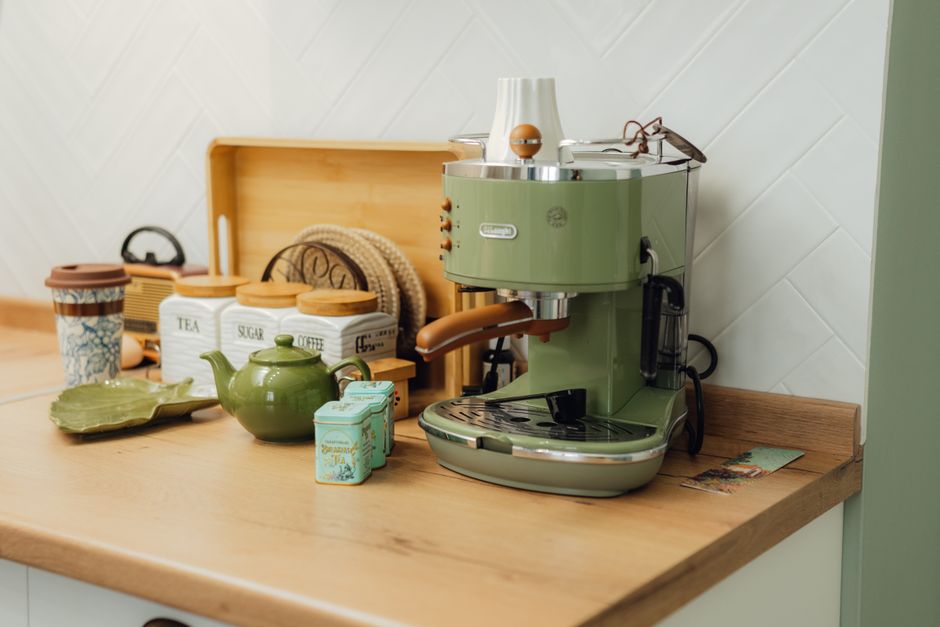
Photo by Nam Quân Nguyễn on Pexels — source At the kitchen counter, the planner sits closed next to a half-empty coffee mug, a reminder of yesterday’s chaotic morning. Notifications from the phone buzz insistently, pulling attention away from the task at hand. The intent to dive into understanding storytelling in movies feels overshadowed by the need to reset the day. With breakfast still unprepared, the clock ticks closer to the usual departure time, leaving little room for the small habits that could set a more focused tone for the day. Checking the weather should be the first step, but the phone’s screen lights up with a new message, diverting focus. This interruption highlights a missed opportunity for a simple adjustment: placing the planner within arm's reach, so it becomes the first thing seen each morning. Without this deliberate setup, the sequence of actions relies too heavily on motivation, leading to disarray rather than clarity. As the morning progresses, the absence ...
At the kitchen counter, the planner sits closed next to a half-empty coffee mug, a reminder of yesterday’s chaotic morning. Notifications from the phone buzz insistently, pulling attention away from the task at hand. The intent to dive into understanding storytelling in movies feels overshadowed by the need to reset the day. With breakfast still unprepared, the clock ticks closer to the usual departure time, leaving little room for the small habits that could set a more focused tone for the day.
Checking the weather should be the first step, but the phone’s screen lights up with a new message, diverting focus. This interruption highlights a missed opportunity for a simple adjustment: placing the planner within arm's reach, so it becomes the first thing seen each morning. Without this deliberate setup, the sequence of actions relies too heavily on motivation, leading to disarray rather than clarity. As the morning progresses, the absence of a solid routine can unravel the understanding of narratives, both in films and in daily life.
The First Step That Gets Skipped
The kitchen counter is a chaotic blend of breakfast items: an open box of cereal, a half-sliced banana, and a mug waiting for coffee. Amidst this morning clutter lies an unopened planner, its pages crisp and untouched, a silent testament to the intentions of a more structured day. As the clock ticks closer to the usual departure time, the urge to dive into understanding storytelling in movies feels overshadowed by the pressing need to reset the day. The first step should be checking the weather, a simple action that could set a more focused tone, but instead, a phone notification interrupts this moment, lighting up the screen with an incoming message.
This distraction pulls attention away from the planner, which remains closed on the table, and highlights a missed opportunity for a small adjustment: placing the planner where it can be seen immediately, perhaps right next to the coffee maker. Without this deliberate setup, the sequence of actions relies too heavily on motivation, leading to disarray rather than clarity. As breakfast remains unprepared and the routine falters, the absence of a solid morning habit can unravel not just the day, but also the understanding of narratives, both in films and in daily life.
Identifying the Routine Slip
On a typical weekday morning, the kitchen counter can become a battleground for intention versus distraction. The planner sits closed on the table, a silent witness to the morning chaos. Without a quick glance at it, checking the weather becomes an afterthought, often forgotten entirely. This oversight can lead to a scramble for appropriate clothing, which sets a disorganized tone for the day.
As the coffee brews, a phone notification suddenly lights up the screen, diverting attention from the planner and the intended morning reset. Instead of taking a moment to open the planner and review the day’s tasks, the urge to respond to the message pulls focus away. This missed check not only delays the routine but creates a ripple effect: breakfast remains unprepared, and the entire morning slips further from the planned sequence.
To counteract this friction, consider placing the planner next to the coffee maker, where it’s impossible to overlook. This simple adjustment ensures that checking the weather and reviewing the day’s agenda becomes a natural part of the morning ritual, rather than a chore reliant on fleeting motivation. The next time the phone buzzes, the planner's visibility can serve as a reminder to stay grounded in the routine, preventing the day from spiraling into disarray.
A Better Order for the Same Five Minutes
A slightly different version of this problem appears in Everyday Life In The, where the sequence changes but the hidden drag feels familiar.
Late-start weekday mornings often feel chaotic, especially when the planner remains closed on the kitchen counter. The coffee maker gurgles, but instead of flipping open the planner to check the weather and daily tasks, the temptation to respond to a phone notification can derail even the best intentions. This missed opportunity to engage with the planner means breakfast prep gets pushed aside, and the morning slips further from the intended sequence.
To create a more effective morning routine, shift the planner's location to right next to the coffee maker. This way, as soon as you pour your first cup, the planner is in plain sight, prompting you to check the weather before diving into breakfast. By making this small adjustment, you reduce the chance of distraction from your phone. Instead of letting notifications dictate your focus, you can establish a consistent sequence: brew coffee, check the planner, then prepare breakfast. This order not only grounds your morning but also sets a more intentional tone for the day ahead, ensuring that the routine feels manageable and structured.
What to Check Before the Phone Takes Over
If this pattern keeps repeating, Daily Routines Real Life extends the idea without leaving the niche.
The planner, now opened daily, sits prominently on the kitchen counter next to the coffee maker. This simple adjustment prompts a vital check before the day begins. Each morning, as the coffee brews, a glance at the planner reveals the day’s storytelling tasks and movie screenings. This small act of checking the weather, alongside the day’s agenda, sets a focused tone for the hours ahead. Without this step, the temptation to scroll through phone notifications can easily derail intentions.
On days when the planner remains closed, distractions multiply. The phone buzzes with alerts, pulling attention away from the morning routine. Instead of smoothly transitioning from coffee to breakfast prep, the day starts with fragmented thoughts, making it harder to engage with the evening routine later. By placing the planner in a visible spot, the morning sequence shifts: brew coffee, check the planner, then prepare breakfast. This order minimizes the risk of interruptions and creates a smoother flow into the day.
A realistic benefit of this setup is that it allows for a more structured evening routine. With the morning’s storytelling preparation completed, the mind can shift focus to winding down after a busy day. The planner acts as a bridge between the two parts of the day, ensuring that the evening can be dedicated to reflection and planning for tomorrow, rather than scrambling to remember what was missed. Establishing this sequence not only enhances daily resets but also fosters a deeper understanding of storytelling in movies, as the mind is less cluttered and more prepared for the tasks ahead.
Resetting a weekday routine often hinges on the small details that can easily be overlooked. For instance, if the planner remains closed on the kitchen counter, it becomes easy to forget about the day's tasks. This oversight can lead to a disjointed start, especially when a phone notification interrupts the reset process. Without a clear sequence, motivation wanes, and the day can slip away before it even begins.
To counter this, consider placing the planner in a more visible spot, perhaps next to the coffee maker. This simple adjustment encourages checking it first thing, creating a consistent morning sequence: brew coffee, check the planner, then prepare breakfast. By establishing this order, the morning routine transforms from a chaotic scramble into a more intentional start, reinforcing the understanding of storytelling in movies through the lens of daily life. Next time, make it a point to check the weather as you reach for that planner, setting the tone for the day ahead.