Photo by Dương Nhân on Pexels — source At the kitchen counter, the morning light filters through the window as a parent fumbles with the lunch container, still soaking in the sink from last night. The clock ticks closer to the school pickup time, and the familiar rush sets in. Work clothes linger on longer than intended, a reminder of the day’s demands. Each moment feels like a scene in a movie, where the sequence of actions shapes the narrative. Yet, the small habit of checking the weather before heading out gets skipped, leading to a scramble for jackets or umbrellas later on. As the parent juggles breakfast preparations, the entryway chair holds the backpack, but the lunch container remains out of sight, buried under yesterday's mail. This missed step in the morning routine creates a ripple effect, where the evening reset feels more chaotic. The simple act of placing the lunch container on the counter before breakfast could have set a different tone for the day, just as a well-...
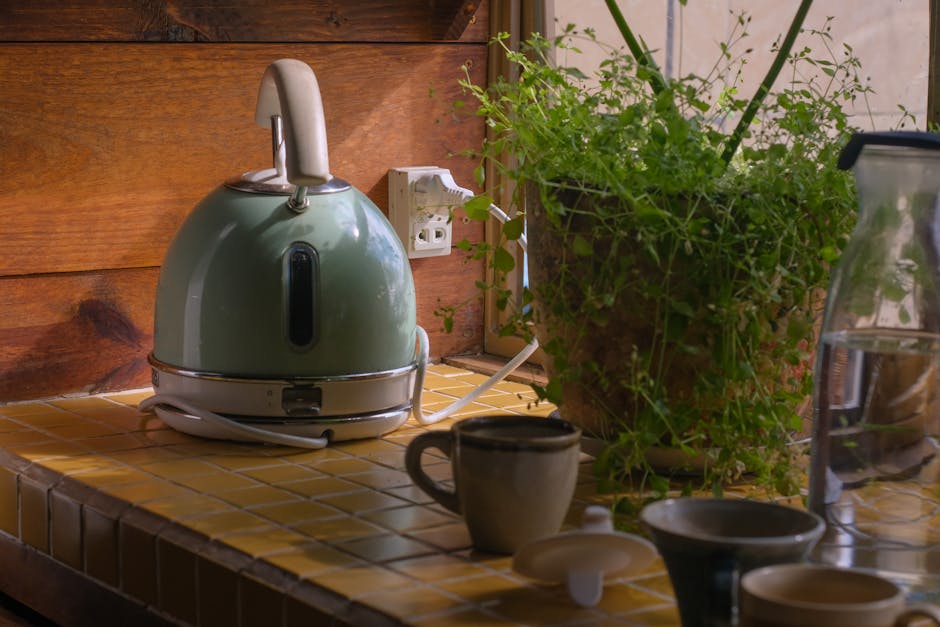
At the kitchen counter, the morning light filters through the window as a parent fumbles with the lunch container, still soaking in the sink from last night. The clock ticks closer to the school pickup time, and the familiar rush sets in. Work clothes linger on longer than intended, a reminder of the day’s demands. Each moment feels like a scene in a movie, where the sequence of actions shapes the narrative. Yet, the small habit of checking the weather before heading out gets skipped, leading to a scramble for jackets or umbrellas later on.
As the parent juggles breakfast preparations, the entryway chair holds the backpack, but the lunch container remains out of sight, buried under yesterday's mail. This missed step in the morning routine creates a ripple effect, where the evening reset feels more chaotic. The simple act of placing the lunch container on the counter before breakfast could have set a different tone for the day, just as a well-structured story captures attention through its pacing. Without these checks in place, the day unfolds like a film with missing scenes, leaving gaps that are hard to fill later.
The First Step That Gets Skipped
At the kitchen counter, breakfast items are strewn about: a half-opened cereal box, a butter dish, and a lunch container waiting to be filled. The clock ticks closer to the school drop-off time, and the parent feels the familiar rush of a late-start weekday morning. Each movement is frantic; the coffee pot gurgles in the background while the kids argue over who gets the last piece of toast. Amid this chaos, the simple act of checking the weather gets overlooked, setting the stage for a scramble later.
The entryway chair, typically a catch-all for backpacks, is now cluttered with jackets and shoes, but the lunch container remains buried under yesterday's mail. As the parent juggles breakfast and the kids' needs, the preparation for the day feels delayed. The unaddressed weather check means that by the time they’re ready to leave, they’re faced with an unexpected drizzle. A quick glance at the weather app on the phone could have prompted grabbing umbrellas, but instead, they rush out with only their work clothes on, leaving the house in a state that feels like an unfinished scene from a movie.
Where the Routine Begins to Slip
As the morning unfolds, the parent stands at the kitchen counter, a half-eaten piece of toast in one hand and a coffee cup in the other, but the weather app on the phone remains untouched. The entryway chair, typically a haven for neatly hung jackets, is now a chaotic mix of shoes and backpacks, with the lunch container still sitting in the sink, a reminder of yesterday’s rush. This moment of neglect—skipping the weather check—creates a ripple effect that disrupts the entire morning.
When the parent finally glances outside and sees the rain pouring down, panic sets in. The work clothes, chosen in haste, are ill-suited for the unexpected drizzle. Instead of a smooth transition into the day, there’s a frantic scramble for umbrellas and a last-minute outfit change. The stress mounts as the kids, already in their own morning battle over breakfast, now have to adjust their own plans. This chaotic shift not only delays their departure but also adds unnecessary tension to an already hectic morning routine.
To mitigate this, placing the phone in a visible spot on the kitchen counter could serve as a reminder to check the weather first thing. A simple adjustment, like setting a morning alarm labeled "Check Weather," could help ensure that this crucial step doesn’t get overlooked again. The goal is to create a smoother flow, where each part of the routine supports the next, rather than spiraling into a scramble that feels like an unfinished scene from a movie.
This same friction shows up again in Daily Routines Real Life, especially when the day tightens unexpectedly.
A Better Order for the Same Five Minutes
The kitchen counter, cluttered with breakfast dishes and school supplies, often becomes a battleground during late-start weekday mornings. The weather app, buried among other icons on the phone, remains unchecked until it’s too late. This oversight leads to a frantic scramble when the kids realize their light jackets won’t suffice against the unexpected chill. The result? A chaotic rush that sets a tense tone for the day.
To streamline this process, consider placing the weather app prominently on the home screen. This small adjustment allows for quick access, ensuring that checking the weather becomes a natural part of the morning routine. Additionally, setting a reminder the night before—perhaps a simple alarm labeled "Check Weather"—can serve as a visual cue, prompting the necessary check before bed. By incorporating this sequence change, the morning routine can flow more smoothly, reducing the risk of scrambling for jackets and umbrellas at the last minute.
Even a minor shift, like checking the weather while preparing breakfast, can transform the chaotic entryway scene. Instead of rushing out the door with mismatched layers, the family can leave with confidence, knowing they are prepared for the day ahead. This small habit not only enhances the morning experience but also mirrors the importance of sequence in storytelling—where every action builds upon the last to create a cohesive narrative.
What Changes Next After the Adjustment
If this pattern keeps repeating, Everyday Life In The extends the idea without leaving the niche.
After making the small adjustment of checking the weather first thing in the morning, the entire routine shifts dramatically. Instead of a frantic scramble at the door, the parent glances at the kitchen counter where a weather app is open on their tablet. This simple act of checking ensures that jackets are appropriately layered and umbrellas are within reach, leading to a smoother exit.
With the weather sorted, the lunch containers—previously left in the sink—are now packed and lined up neatly by the entryway chair. This small habit of preparing lunches the night before, coupled with the morning weather check, means that there’s no last-minute panic over forgotten items. The parent can confidently grab the lunch bags and head out, knowing everything is ready.
As they walk out the door, the parent feels a sense of calm rather than chaos. The kids are also more relaxed, having witnessed a smoother transition from breakfast to departure. This shift not only saves time but also fosters a more pleasant atmosphere in the house, illustrating how a minor adjustment can ripple through the rest of the morning routine, enhancing the overall experience without adding stress.
As the evening winds down, the parent can take a moment to reflect on the sequence of their day. A simple check of the weather app on the kitchen counter before heading out in the morning can make a significant difference in how the day unfolds. If they notice rain is expected, placing the umbrellas by the entryway chair becomes a crucial step in avoiding the chaos of a last-minute scramble. This small adjustment not only prepares them for the weather but also sets a tone for the day that prioritizes readiness over rush.
When the parent integrates this habit into their routine, it becomes easier to manage the unexpected, like a forgotten lunch container left in the sink. By consistently preparing the night before and checking the weather first thing, they can streamline their morning and create a smoother transition into the day. This focus on sequence, both in daily routines and storytelling, highlights how small, intentional actions can lead to a more organized life structure, reinforcing the importance of understanding the flow in both contexts.
